05:18AM - 09.04.'14
|
News Source: autoblog.com
|
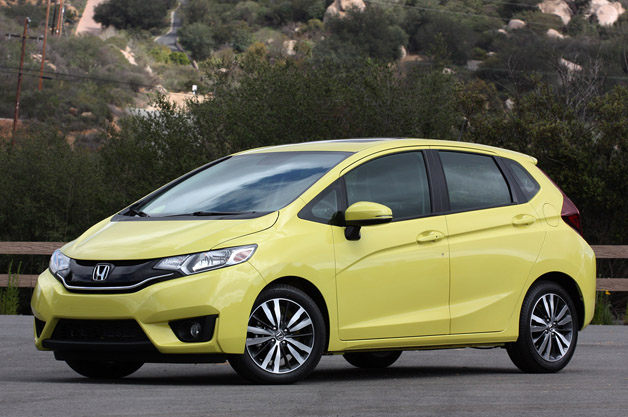
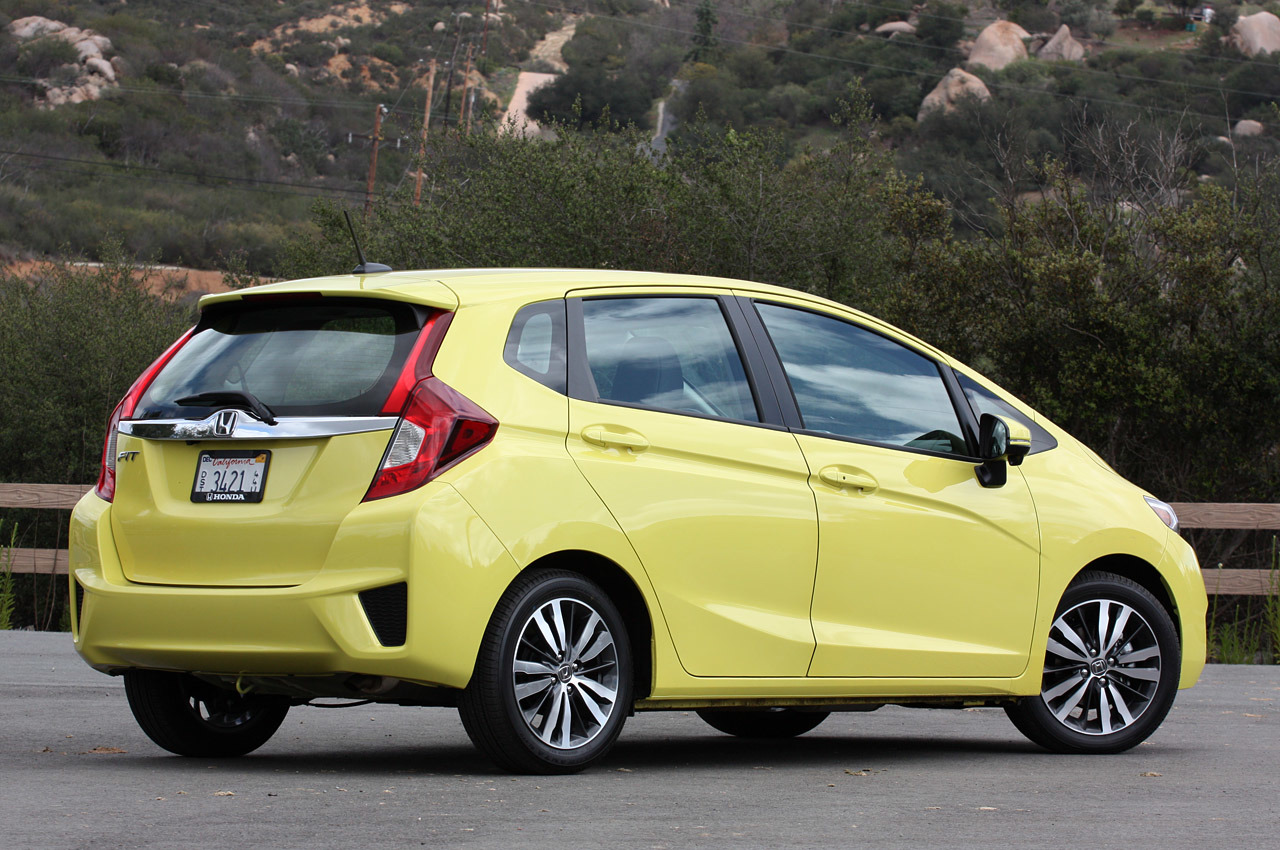
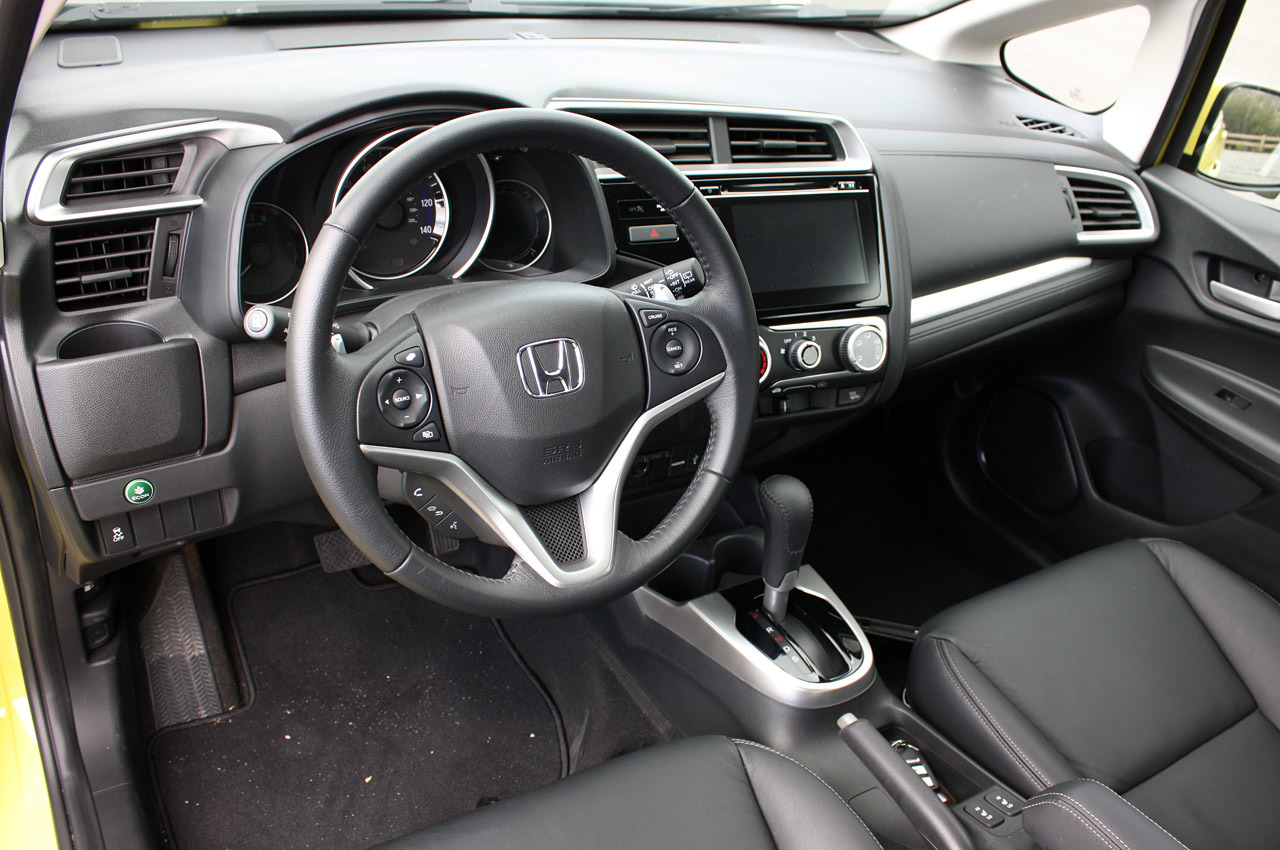
The last time we left our subcompact hero, the plucky Honda Fit was getting a bit long in the tooth. But the second-generation model was still holding its own rather well, and for the enthusiast on a tight budget who wanted it all, it remained the car of record in its class. If you desired an endlessly practical and reliable little hatch that was fun to drive, it didn't get much better than the Fit. Even with nearly every competitor having been fully freshened since the model's introduction in 2009, the Honda managed to fight off also-ran status simply because of how incredibly functional and great to drive it was. Long story short: we loved this car. Of course, there were a few caveats to the Fit's superhero status. It wasn't particularly fuel efficient, only mustering up, at best, 33 miles per gallon on the highway in a segment where 40-mpg quickly became the new benchmark. What's more, its onboard technology and infotainment was seriously showing its age. While we'd praise the Fit's behind-the-wheel goodness all day long, this shining beacon of great steering and suspension tuning never proved to be all that wonderful for long-distance highway cruising. Now, say hello to the 2015 Fit, hitting dealerships this spring. Worry not – it's still clever as ever from a packaging standpoint, and comes fitted with lots of newness both inside and out. It's a far more competitive vehicle than its predecessor, and has everything it takes to fight even the toughest of classmates. But just as before, our recommendation doesn't come without a few caveats. Visually, the 2015 Fit loses much of its cute-as-a-bug demeanor in favor of something decidedly more aggressive and modern, especially up front. By and large, we like the new look, but we aren't sold on the strong character line that rises dramatically on the front door, only to broaden from a point to a channel as it goes further up along the car's profile, finally dropping off over the wider rear fenders. It's an interesting design idea, but one we don't find particularly successful – it's especially hard to swallow from the rear three-quarter angle. From that same view, the Fit looks less like the two-box, upright hatchback it did before, taking on more of a small MPV shape. A quick poll of the Autoblog staff reveals that we like this new design better, but some of us still miss those large, wedge-shaped headlamps and cutesy cues of the previous car. We'll have to see how this new design ages, but it certainly falls more in line with the rest of Honda's restyled range. The Fit hasn't grown much since we last saw it – in fact, certain dimensions have actually decreased. It rides on a 99.6-inch wheelbase – an increase of 1.2 inches versus the outgoing model – but its overall length has been shortened, now sitting at an even 160 inches compared to its predecessor's 161.6. Width is up by 0.3 inches and height remains unchanged at 60 inches. Extending the wheelbase and shortening the length means the front overhang – a particular point of issue on the old car – has been reduced, and the overall shape is less bulgy than before, despite the added curves. Honda is offering a fresh crop of new colors that work well with the restyled shape, including Pikachu Yellow (okay, it's really Mystic Yellow Pearl). Base LX models roll on 15-inch steel wheels with drab plastic covers, but EX, EX-L and EX-L Navi trims use the handsome 16-inch alloy wheels seen on our test car. Halogen headlamps remain standard up front, but the Fit now uses LED taillamps out back. It's all pretty good looking, this Fit, and new darker colors like Passion Berry, Modern Steel and even the Aegean Blue do a lot to hide the character line that rounds out the rump. We do wish Honda would lose the chrome strip below the rear window, though. There's very little of the shiny stuff on the rest of the body, and a blacked-out panel like the one in the grille would likely look better. Inside, there's a lot going on, and the dashboard and center stack designs lose a lot of the previous car's cleanliness. Chunky plastic moldings on the dash are met with aluminum accents and strips of faux-leather with unconvincing fake stitching, and the new center console has been canted to be more driver-focused, with the old car's vertical arrangement of heating/cooling controls now neatly organized below the radio (or new-generation infotainment system on higher-end models). What's in front of the driver is particularly clustered, with two-tier vents to the left of the redesigned steering wheel and gauges, and in redesigning the HVAC module, Honda has killed the volume control knob for the stereo – it's now annoyingly housed digitally in the touchscreen. Speaking of that screen, all Fit models now come standard with a rear-view camera. Sadly, the two-compartment glove box is gone, with usable storage space only found below the passenger's knees on the new car. Despite its busier visuals, the new Fit's interior is a far more premium space than before. The hatch now offers amenities like leather upholstery, heated front seats and a sunroof – all things you couldn't get on the outgoing model. The Fit remains a hugely functional machine, and Honda's executives proudly note that the car's packaging is its "single-greatest competitive advantage." Despite a minimally increased wheelbase, the Fit now offers a whopping 39.3 inches of rear legroom. That's a gain of 4.8 inches versus the previous Fit, imbuing the subcompact with more rear seat legroom than the larger Civic and Accord. Combine that with a more upright seating position, and you'll find the rear bench is extremely spacious, not a penalty box like other subcompacts. Regardless of cloth or leather upholstery, the seats are decently comfortable, and even though front legroom has grown by a tenth of an inch, the seats seem to be closer to the floor than before. That's not something your five-foot, seven-inch author really noticed, but taller passengers weren't pleased during our test drive. That nifty rear Magic Seat is still the star of the show, able to be reconfigured many ways, all totaling a massive 52.7 cubic feet of storage space with the seats down. Oddly, that's 4.6 fewer cubes than before, but the Fit's cargo area is still far more capacious than anything else in the class. For comparison's sake, a Ford Fiesta hatchback can only muster 25.4 cubic feet, less than half the Honda's total. In fact, that's more cargo space than the much larger Hyundai Elantra GT yields, 51 cubes. Said another way, flip the seats up, fold them down, whatever – you won't even notice the loss of space versus the outgoing model. And considering you can lay the front seats nearly flat to accommodate longer items, it's still possible to, well, fit nearly anything you want inside this Honda. We recently heard a rival automaker's PR person describe the Fit as "the Sistine Chapel of packaging." Indeed. Clever packaging and a spacious, airy interior will be the Fit's biggest selling points as it strives to have more mass-market appeal. Elsewhere, the powertrain has been updated with Honda's new Earth Dreams technology and two new transmissions that result in better economy and overall driving refinement. But with those improvements, this new Fit unfortunately loses some of its spunkiness. |