05:27AM - 25.06.'14
|
News Source: autoblog.com
|
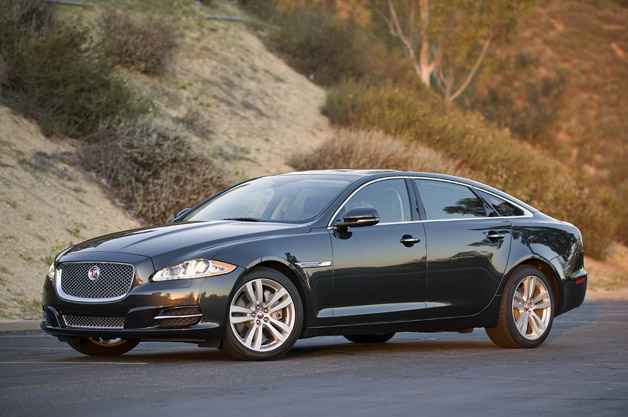
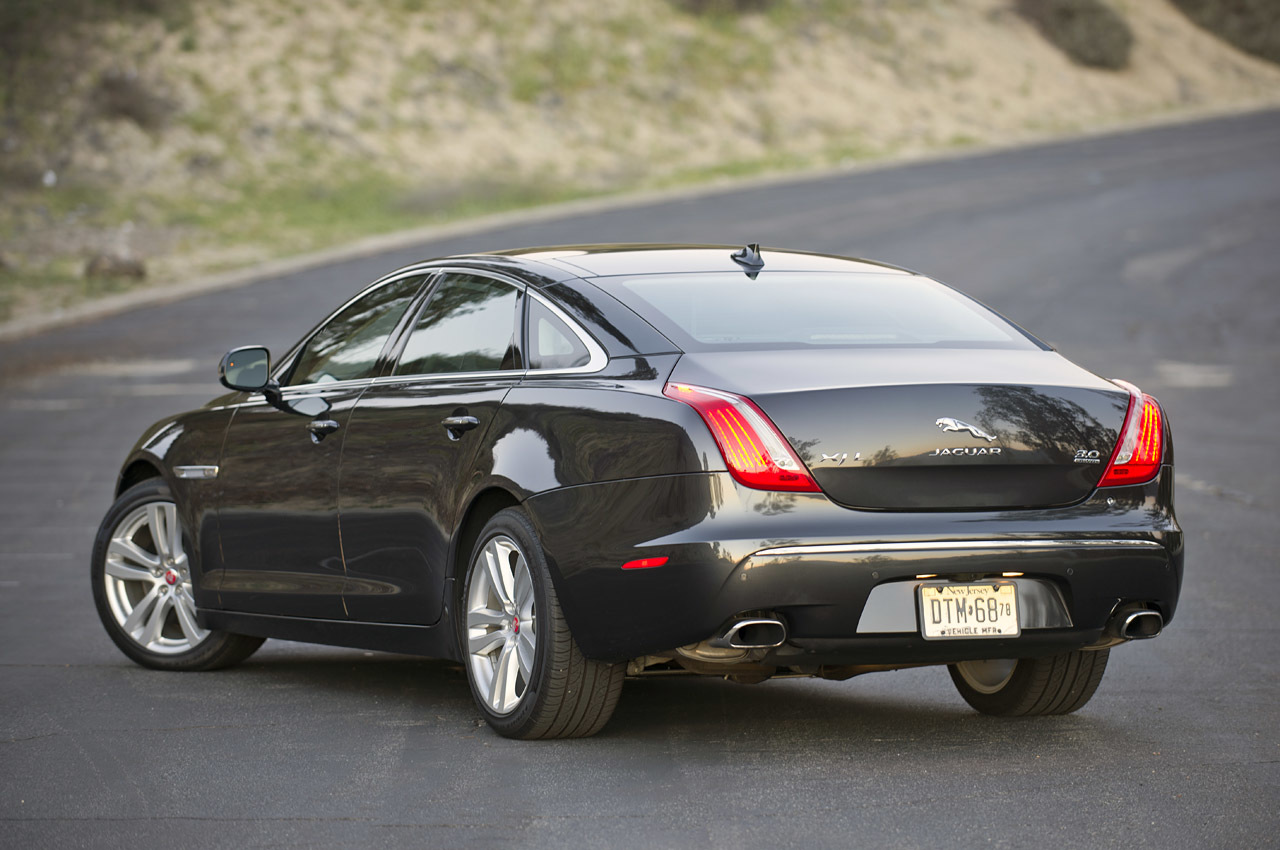
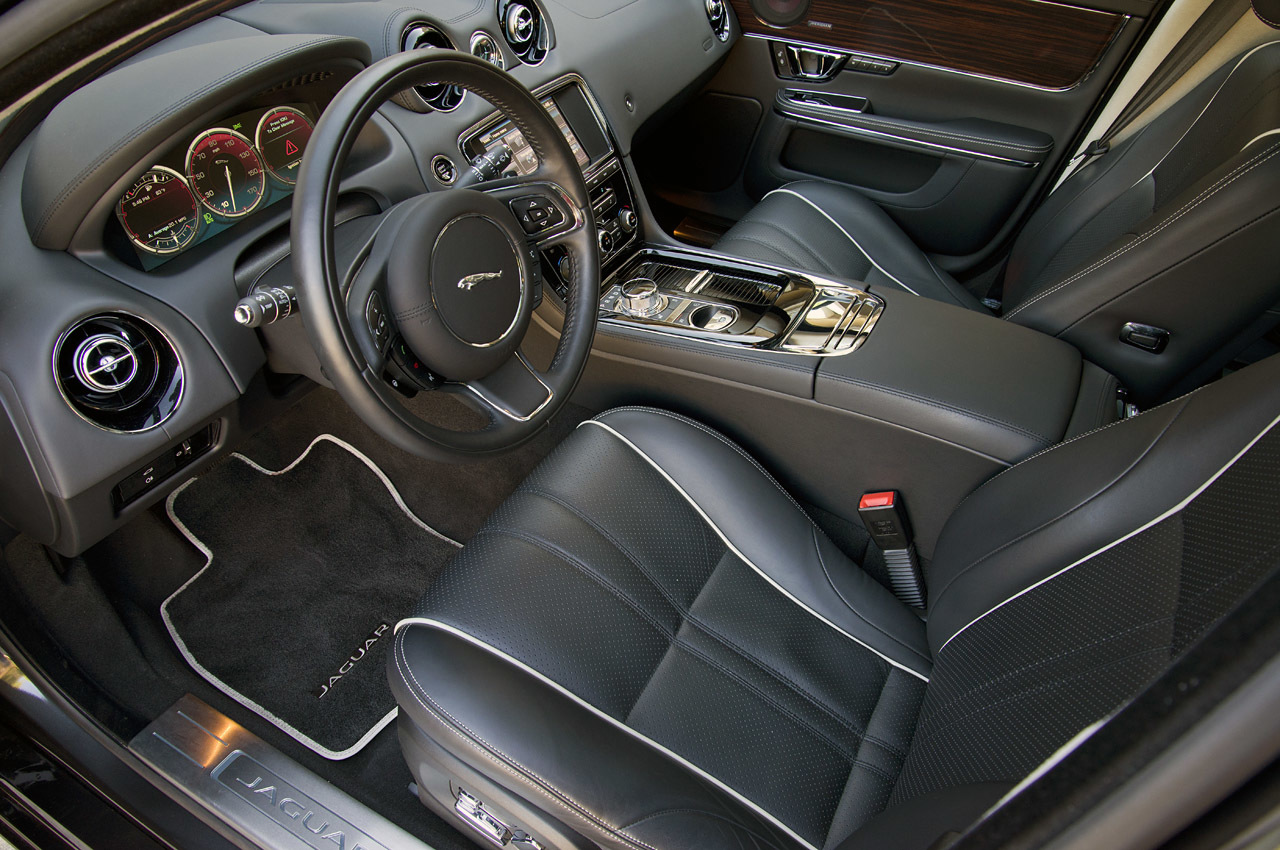
A bit of British nobility floods the senses when piloting the 2014 Jaguar XJ. It's an emotional rush, a perception based on physical surroundings that influence the mind in much the same manner that a stein of pilsner tastes best when consumed in a German beer garden and no sand is softer than that found on a warm Caribbean beach. Jaguar has been assembling cars for nearly 100 years, and few automakers are as equally adept at capturing aristocracy and timelessness within the rich cabins of their luxury offerings. Jaguar would have no concern if it were the only game in town, but that's far from the truth. The premium full-size luxury segment, which includes vehicles hovering just under or at the six-figure mark, is a contentious grouping that includes the Audi A8, BMW 7 Series, Lexus LS, Mercedes-Benz S-Class and Porsche Panamera. Each of those brings its own game to the battle, and none are easy to dismiss. To better understand the British perspective and evaluate its latest offering on a land without royalty, I recently spent a week with a long-wheelbase, all-wheel-drive Jaguar XJ in Southern California. At first glance, this sedan appears to be everything but the enthusiast's choice. It is the automaker's largest platform, fitted with one of its least powerful engines mated to an all-wheel drive powertrain. Mass is always the enemy, and a big car paired with a small engine and a complex driveline is often sluggish on the road. Yet the Jaguar XJL AWD 3.0 dodges the bullet with a curb weight of just 4,151 pounds – tipping the scales 313 pounds lighter than the Audi A8L, 374 pounds lighter than the BMW 740Li xDrive and a massive 622 pounds lighter than the Mercedes S550 4Matic, for quick comparison. The secret is aluminum, the lightweight alloy that Jaguar embraced when it launched its all-new flagship in 2011. Unlike its predecessors, the fourth-generation model boasted an aluminum chassis built in much the same manner of a jet aircraft. Instead of using an alloy frame covered in lightweight panels like the Audi A8, Jaguar chose to assemble cast and extruded aluminum structural members, and then cover them with bonded and riveted aluminum sheet. The result is a very rigid platform that is strong, corrosion-resistant and extremely lightweight. Like most premium automakers, Jaguar offers its XJ with a choice of wheelbase, engine and powertrain. While its base price starts at $85,595 (including $895 destination), this Stratus Grey over Jet tester arrived under 3.0-liter V6 power wearing a few options that rocketed its price skyward. The most significant is the Premium Rear Seat package ($7,750), which pampers those in the second row with reclining and massaging rear seats, video entertainment and leather-wrapped tables. The Meridian audio upgrade ($4,180) packs 1,300 watts through 26 speakers and the Illumination package ($1,700) brightens up the doors, trunk sills and air vents. Lastly, an Electric Rear Window Sunblind ($670) blocks prying eyes and the sun's rays. Add it up, and it will cost you $100,745 to put an identical car in your driveway. Whether or not the Jaguar's sleek exterior styling pleases (its distinctive blackened C-pillar penned by Ian Callum is best masked by darker palettes), the lofty sticker price is quickly justified after dropping into the cabin. Unlike the German, Japanese and Korean offerings, which envelop their followers with technology and advanced styling, the Brit relies on traditional luxury to pamper passengers. Occupants sit within a completely leather-lined cockpit with a bold sweeping dash highlighted with glossy finished wood. The four polished chrome climate-control vents are featured prominently, and nearly all of the switchgear is trimmed in the bright traditional metal. Natural hides covering nearly everything are rich to the eyes, the nose and the fingertips – it's sensory overload. The driving position is good, with most of the controls in their proper ergonomic position. The only oddity, which has now become familiar across its family, is the JaguarDrive Select transmission dial that rises eerily out of the console when the vehicle is powered up (park in the hot sun, and its metal dial becomes almost too hot to touch). The primary instrument panel is a 12.3-inch high-definition "Virtual Instruments" gauge cluster, which despite its 614,400-pixel resolution, looked much more impressive four years ago than it does today against modern high-res screens. Regardless, it is easy to read without being too gimmicky. The standard XJ is hardly cramped, but the long-wheelbase model offers a generous 44.1 inches of rear seat legroom – that's 5.1 inches more than its sibling – thanks to its nearly 5-inch wheelbase stretch. Passengers in the other three remaining positions (drop the Premium Rear Seat package to gain room for a fifth passenger) will find the accommodations very inviting, with those in the second row scoring the real First Class upgrade with mirrored creature comforts including full HVAC controls, massaging seats, flat-screen entertainment, footrests, vanity mirrors, privacy shades and a moonroof. New for 2015 is the leather-wrapped tray table, which replaces last year's polished wood version. Even if you're not riding with a chauffeur, it can reveal itself as a convenient addition - before a morning meeting, I climbed into the back seat and drew the privacy blinds before typing on my laptop for an hour. |