05:32AM - 15.07.'14
|
News Source: autoblog.com
|
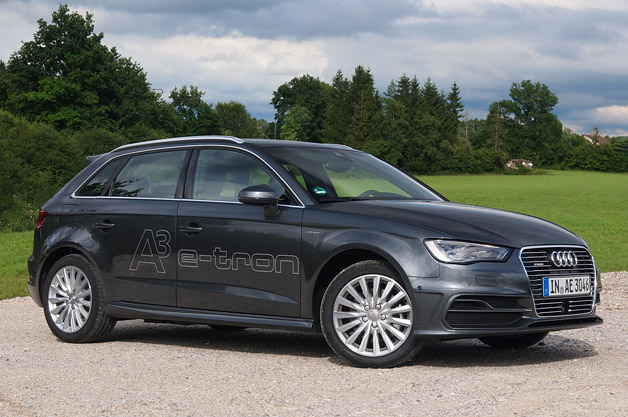
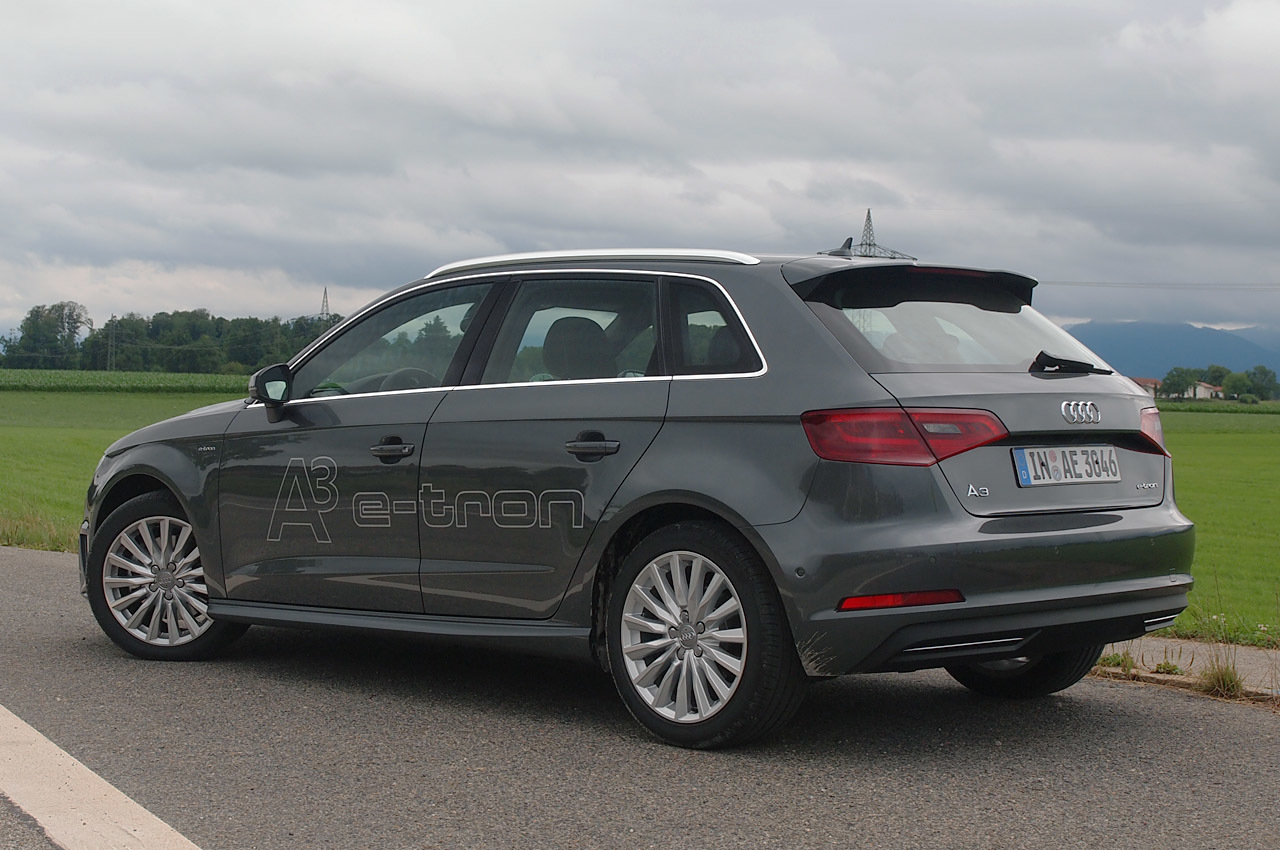
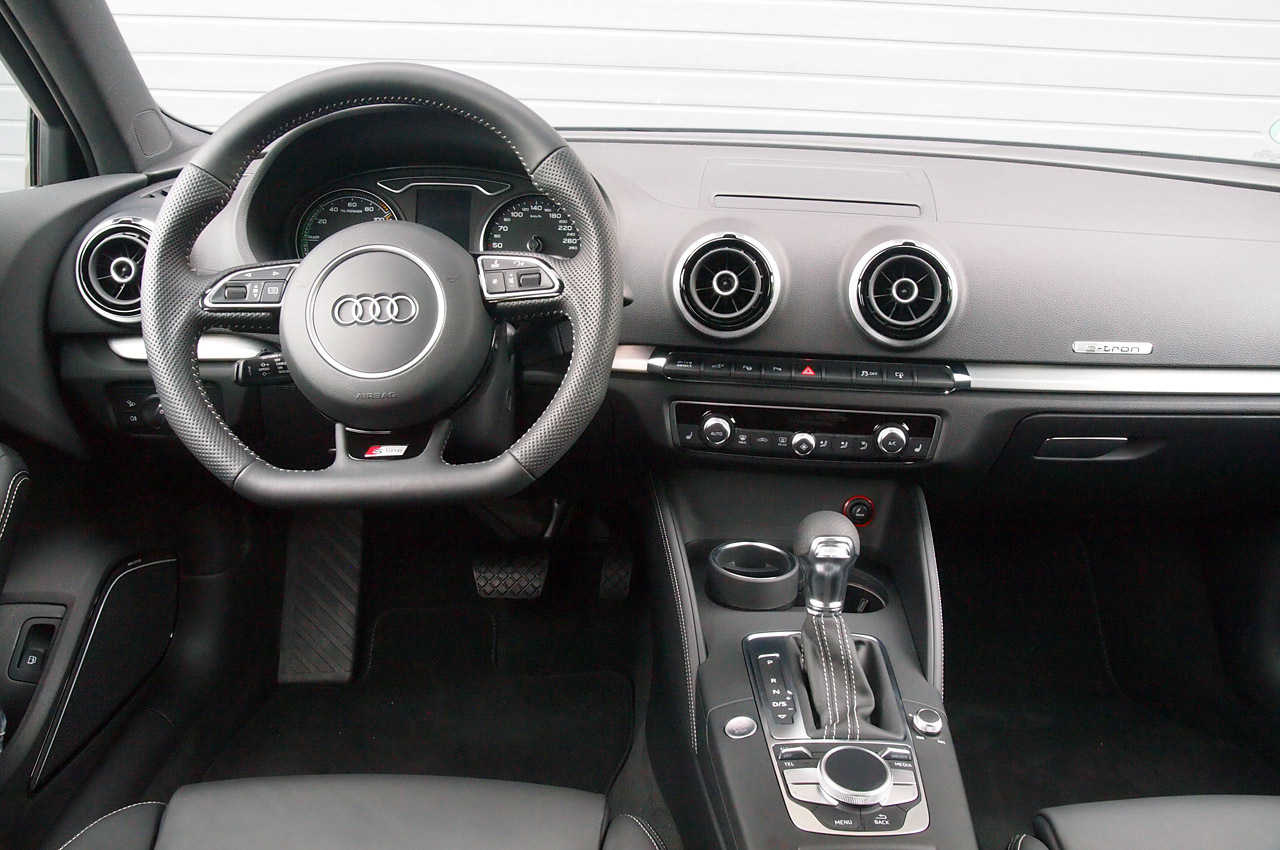
Over the years, we've had a chance to test a lot of Audi E-Tron vehicles, from very early all-electric prototypes (back then we only got to sit in the passenger seat) to the A6 L E-Tron PHEV and the A1 E-Tron plug-in hybrid. All of them were concepts and promises, merely whispers of what was possible, even as the Nissan Leaf, Chevrolet Volt and two Tesla models were making waves in the marketplace. As we learned last year in our Deep Dive of the E-Tron project, all of the concepts, prototypes and rumors have finally come to fruition in this A3 Sportback E-Tron. Previously, we were given a chance to drive a prototype, but it was only very briefly. Last week, we finally got to run a production-representative example through the hilly roads between Vienna, Austria and Munich, Germany. After spending a solid day with Audi's first marketable E-Tron vehicle, we can say that it's a most amazing bit of engineering, in particular for the way that Audi has done so much to hide the fact that this is an electrified vehicle. Not entirely, of course, but the idea was to make the A3 Sportback E-Tron a no-compromise PHEV. And that means it drives and feels, in many ways, like the standard A3 Sportback despite over 700 extra pounds. Oh, and there's a charge port hidden behind the four rings in the grille. When you first sit down in the A3 E-Tron, you're greeted by the same dashboard as in the current A3, the same retractable infotainment screen, and the same system controls, including the Multi Media Interface jog dial that moves the on-screen highlighted items in exactly the opposite manner you might expect. Differences include an EV button that cycles through the PHEV's drive modes under the central vents, and a new E-Tron-centric telltale to the left of the speedometer. It shows if you're drawing energy from the battery pack or adding some back. Over 277 miles and using all of the car's drive modes, we managed to reach an average fuel economy of 41.8 miles per gallon. Of those, 52 percent were when we burned gas in the 150-horsepower 1.4 TFSI engine and 48 percent were "emission free," but that's only part of the story. When you end your drive, the info screen displays what percentage of the miles just driven were conducted on gas and which were emissions-free electric motoring. The latter number includes not only the electricity that you left the charger with, but also EV miles that were generated from the gas engine and regenerative braking. We're pretty sure EV lovers will be completely impressed by the way the Volkswagen Group has been taking sailing lessons. Used previously in vehicles like the Porsche Cayenne S Hybrid, the A3 Sportback E-Tron feels unbelievably light when you take your foot off the pedal at highway speeds and simply coast. Some drivers with us in Europe thought the powertain was actually contributing to the forward momentum when their foot was off the accelerator because of how different this feels than in most other vehicles. It wasn't, of course, since all clutches decouple when you coast. Audi's engineers have just made the A3 Sportback E-Tron incredibly efficient once it's already in motion. EV drivers will also want to be able to engage in one-foot driving, they way they might in a Tesla or BMW i3. To get stronger regen, the picture isn't as simple, but there is a way to increase it on demand. Actually, there are three ways. Let's describe what happens when the A3 Sportback E-Tron ups the regen level, which is possible in all modes except charge mode (more on that later). First, the clutch is activated and connects the 75-kW electric motor to the drivetrain, which is then put in manual transmission mode. Imagine the powertrain using the gears to adjust the regenerative brakes just like it would in a gas-powered manual-transmission vehicle that is downshifted when you're going 55 miles per hour. The friction resistance of the engine acts as braking force. The same sort of thing is happening here, except some of the energy is saved. If you have the adaptive cruise control on and the car slows down automatically, that's because of the brakes, which also regenerate energy into the battery pack. What confused us at first is that you can engage this 'regen' function by either hitting one of the steering wheel shifter paddles, pushing the shift selector into S or tapping the brakes. They all do the same thing (engage the motor), but that wasn't in any way clear. Tapping the brakes doesn't shift you into manual mode, of course, and if you use the paddles, the car will automatically revert to automatic transmission mode if you don't use them for 10 seconds. This confusing set of parameters will likely become second-nature to someone who uses the A3 Sportback E-Tron as a daily driver, but we didn't totally have it figured out by the time we got to Munich. |