


|
News Source: topspeed.com
|
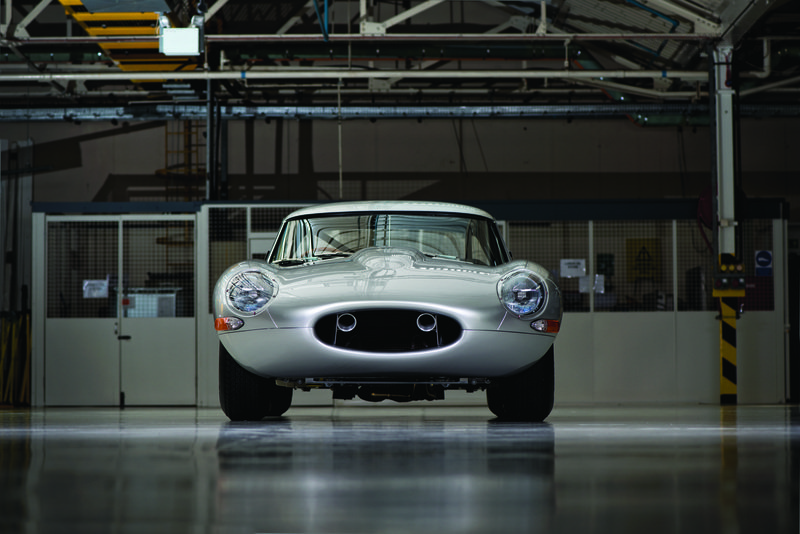
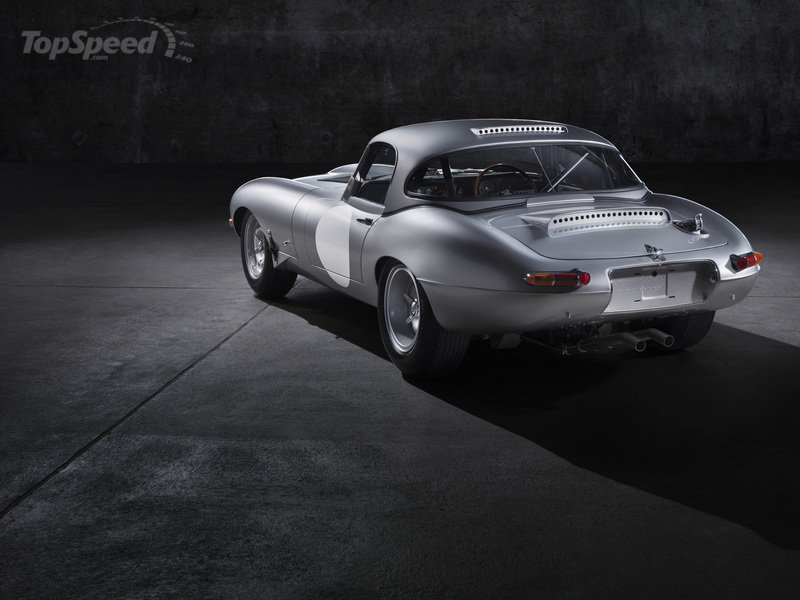
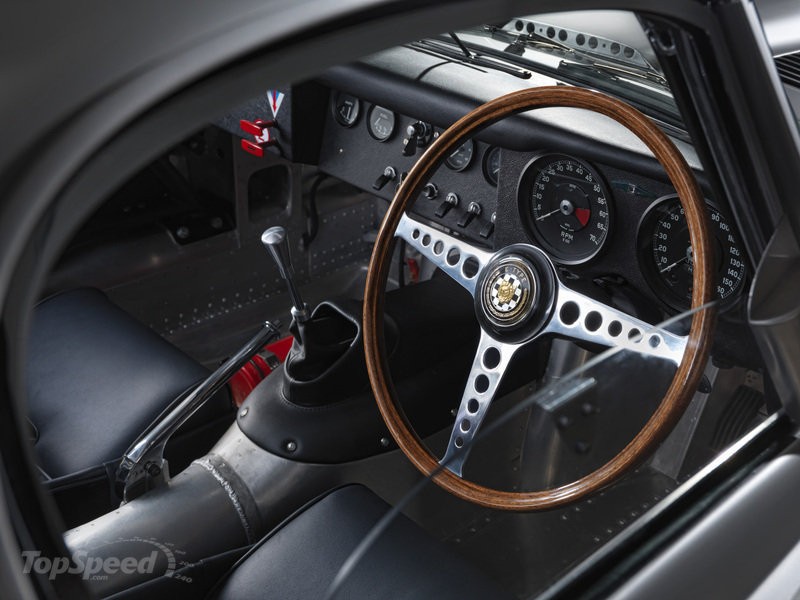
Two years after unveiling the E-Type — built between 1961 and 1975, and known as one of the most beautiful vehicles ever designed — the folks at Jaguar rolled out a lighter version of the model specifically developed for racing . Dubbed E-Type Lightweight, it featured an all-aluminum body and engine block, and had most of its interior trim removed, making it 250 pounds lighter than the standard E-Type. Only 12 units of this track-purpose vehicles were built, although Jaguar’s initial plan was to conceive 18 of them. Believe it or not, the Brits have just decided to make use of the remaining designated chassis numbers and construct six more Lightweight E-Types exactly 50 years after the final original example left the factory. The mission of recreating these race cars to their original specifications based on already designated chassis numbers had fallen into the hands of Jaguar Land Rover’s Special Vehicle Operations , the same performance arm that developed the F-Type Project 7 and the Range Rover Sport SVR . An authentic blast from the past, the Lightweight E-Type comes with everything the classic racer had to offer, including an aluminum-block, straight-six engine and a stripped out interior. And if you think the "new" Lightweight E-Type is nothing more than a museum piece, you’d better think again. The sports cars have been built to FIA’s homologation requirements for historic racing, meaning we should be seeing them in action during events such as the Goodwood Festival of Speed. Update 8/12/2014: Just as suspected after Jaguar Land Rover revealed the Range Rover SVR ahead of its Pebble Beach debut, JLR has chosen to also reveal the much-anticipated "New" Lightweight E-Type prototype — dubbed "Car Zero" ahead of its Pebble Beach debut. Check out all of the details after the jump. Built to the same specifications used in 1963, the "new" Lightweight E-Type is identical to the original race car. Each and every details has been replicated accordingly, including the riveted and welded aluminum construction. That’s right, although today’s technology would have enabled them to build a bodyshell out of high-strength aluminum alloys using modern techniques, the Brits decided not to do so. The reasoning is quite simple, as a Lightweight E-Type wouldn’t have been a true-blue E-Type without its visible rivets and bonded structures. What’s more, changing the construction process would’ve meant the vehicles would have not conformed to the FIA’s homologation requirements for historic racing. Sin ce these cars are sold as period competition vehicles, all specifications had to remain authentic, as developed in the early 1960s. Thus the entire body is made of aluminum, including the doors, hood, trunklid and even the hard-top. The vehicle’s gorgeous, sculpted lines have remained true to the original. Details such as the 21-louver bonnet air inlets, the aluminum quick release fuel cap or the release handles for the long engine hood. Each of the six vehicles is hand-built by highly skilled craftsmen at the company’s facility at Browns Lane with help from Jaguar Heritage, part of Jaguar Land Rover’s Special Vehicle Operations division. Although Jag remained faithful to the Lightweight’s classic building technique, the bodyshell was crafted using state-of-the-art scanning technology and digital mapping. About 75 percent of the body panels were made in-house, with the remainder of the structure being supplied by external specialists based on Jaguar’s own tooling. Although the prototype pictures here is finished in Silver Metallic, customers can opt between six heritage colors offered by the Brits. The Lightweight E-Type palette includes Carmine Red, Opalescent Grey Metallic, Silver Metallic, Opalescent Blue Metallic, and the iconic Old English White and British Racing Green. However, buyers also have access to various color and trims alternatives. To make these six remaining E-Types as similar to the original as possible, Jaguar actually manufactured six new six-cylinder XK engines that mirror the original powerplants. These 3,868-cc, straight-six engines feature an aluminum block, a "wide angle" cylinder head and a dry-sump oiling system. Customers have the choice of going with a trio of Weber 45DCO3 carburetors or Lucas mechanical fuel injectors. The carbs are the standard setup, whereas the fuel injectors are an at-cost option. This prototype features the mechanical fuel injectors. Regardless of the fuel-delivery system, the "new" Lightweight E-Types and this prototype deliver 340 horsepower at 6,500 rpm and 280 pound-feet of twist at 4,500 revs. A lightweight flywheel links this retro engine to a single-plate clutch that transfers the power through a close-ratio, four-speed transmission before delivering the goods to the rear wheels through a limited-slip Powr-Lok rear diff. There are various final drive ratios available, but the standard setup is a 3.31-to-1 ratio. |

|

| Copyright © 2026 • www.showcar.com.au • Showcar Pty. Ltd. • Contact info@showcar.com.au | sydney web design & development by Webski |