06:58AM - 10.09.'14
|
News Source: autoblog.com
|
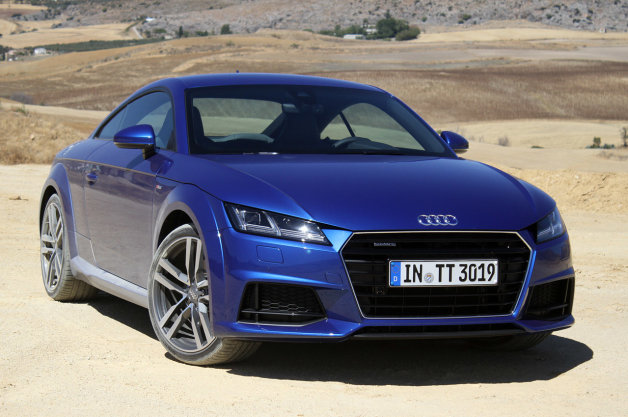
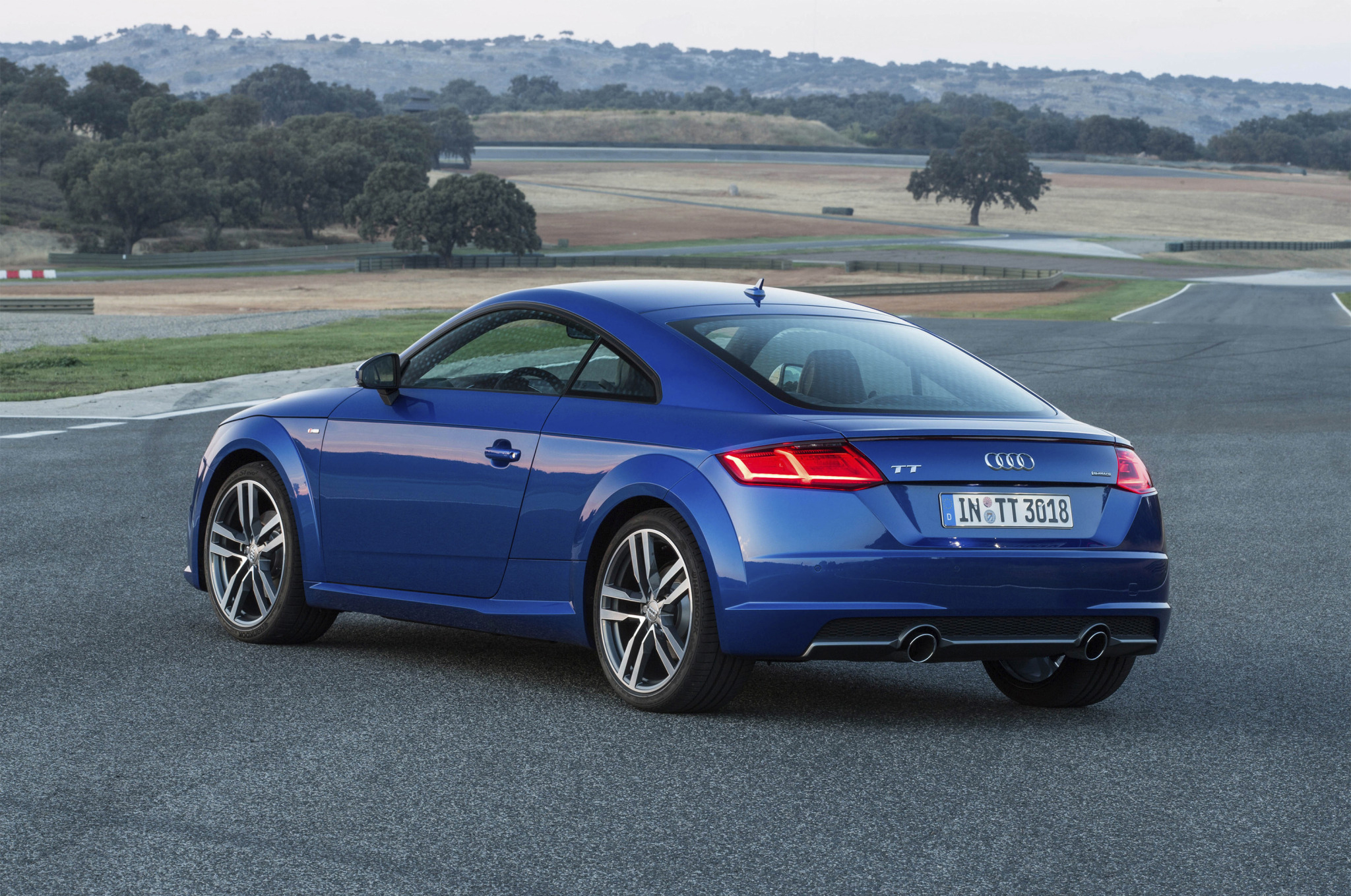
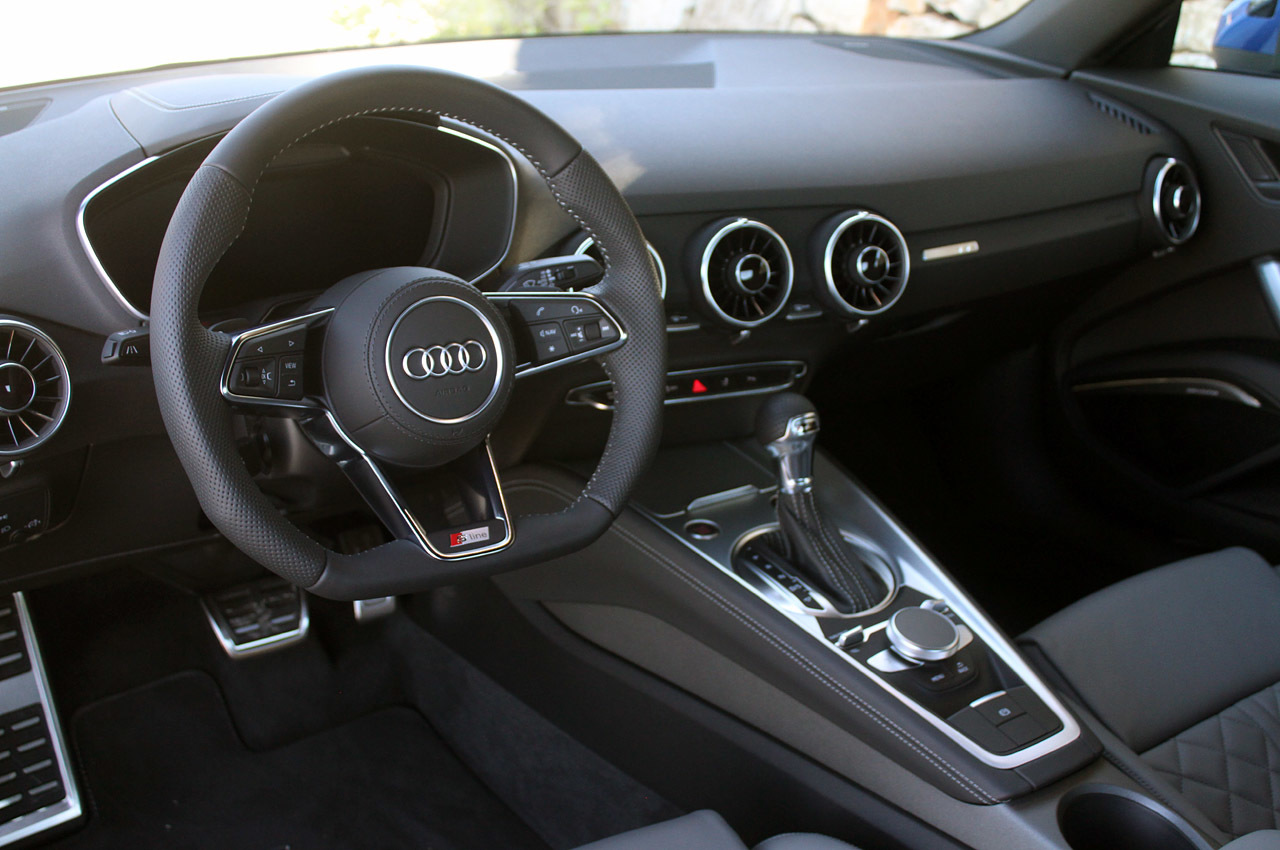
What came first, the metrosexual or the Audi TT? While it was close, the descriptor-turned-epithet preceded the 1995 concept car by one year. However, they were both notable cultural evolutions and they happened to work together perfectly. Hugh Grant, playing the cad Will Freeman in the 2002 film About a Boy, could not have chosen a better example of character than his silver TT. A decade later, the original TT was still important enough that when rumors of the third-generation coupe began to surface in late 2012, the most exciting fantasy was that the 2014 coupe might "recapture some of the distinctiveness and impact" of a 16-year-old car (the TT came to market in 1998). Even speculation by dedicated Audi observers thought the brand would do something novel, even if not mimicry. The obvious takeaway: no one was going to be lighting any candles for the departed second generation. All of that is why when the first leaked image slipped onto the Internet, people began to get suspicious. When the third generation took the stage at the Geneva Motor Show, we could almost hear the digital deflation over the Ethernet, our poll results notwithstanding. Yet it's still the TT, and in spite of having seen its interior and virtual cockpit and clocked its specs, we couldn't judge it before heading to Marbella, Spain to drive it. What we found out was while it's better than the second generation, it's still very much a TT. We need to start off by giving Audi some proper credit: it massively upgraded the handling of the TT with the second generation. That original had the looks, but its progeny had the liveliness that got positively lusty in the TT-RS. In a dream, the third generation would frappé that heritage into the best of all worlds. Despite its new platform, it's fair to say that the new car hasn't been comprehensively reconceived; it's been comprehensively re-detailed. You have to look at the current car next to the new one to see how big the differences are, but once you see them, it's clear how many changes have been made, and how much first-gen has returned to the bodywork. (Bodywork that was inadvertently harangued by the dusty Spanish roads, as you can see. Our earnest apologies.) The coupe is the same height as before, yet it's 0.4 inches narrower and 0.8 inches shorter. The wheelbase, extended by 1.5 inches, means shorter overhangs. In front, curves are replaced by beveled edges that support the large, single-frame grille; that and the four rings on the hood are meant to invoke the R8, while the twin vertical struts that form the LED daytime running lamp signature are meant to recall the R18 e-tron Quattro racecar. The wheel arches, which Audi calls "superimposed," have sharper edges and are connected by a prominent, jutting sill, both trademarks of the original TT. In back, geometry reasserts itself, with sharper lines framing the rear decklid. The LED taillights are tied together by a full-width, high-mounted brake light, defining the shape of a bumper. Beneath it all, the tailpipes have moved closer together – yet another tip of the hat to the original car. Another tech note: the TT makes the switch to capless fuel filling underneath that classic silver door. It's certainly good looking, and when you take time to notice the surfacing, you can appreciate its evolution, but our esteem is more philosophical than visceral. We won't get the car for another year, so we don't have US weight specs yet, but the European version sits lighter on the ground than before. That's thanks to a slimming regimen that includes a new design for its aluminum and steel composite spaceframe, the seats and wheels. With the 2.0-liter TFSI four-cylinder and a six-speed manual, curb weight is said to be 2,712 pounds – in official words that's "up to 110.2 lbs less than before." Sure, that's less than the 220-pound weight loss for the MkVII Volkswagen Golf that shares its platform, but comparing Euro to Euro, the TT is still 312 pounds lighter. That engine is the same one we'll get, a turbocharged, torque-happy puller with 230 horsepower and 273 pound-feet of twist, meaning 19 more stallions and 14 more lb-ft than before. Internal refinements like indirect injection on top of direct injection (depending on operating conditions), the addition of stop/start and having to motivate a lighter car means fuel economy will go up; Audi reports 36.8 miles per gallon combined on the European cycle, we'll get US numbers next year. It's the interior that gets marquee billing this time around, and it's arguably even nicer to experience in the car than on the show floor display we studied at CES. The integrated climate controls are a cinch to operate and always stay centered – twisting the vent bezel rotates the inner turbine blades to alter the direction of air, not the vent. The refined MultiMedia Interface (MMI) controls have gone from four buttons to two toggle switches astride the large knob; you can flip between navigation, telephone, radio and media without ever having to look down. The surface of the MMI knob is touch sensitive and responds to finger gestures including writing characters and pinch zooming. And, hallelujah, the new TT is the first with Audi's new scrolling action, which works like it does on every other car on the planet: rotate to the right to scroll down, to the left to scroll up. |