


|
News Source: autoblog.com
|
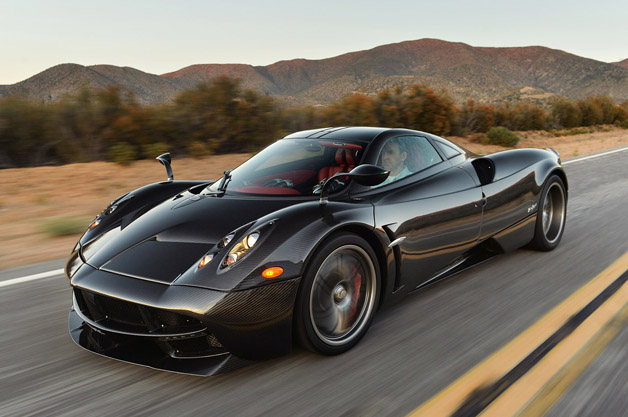
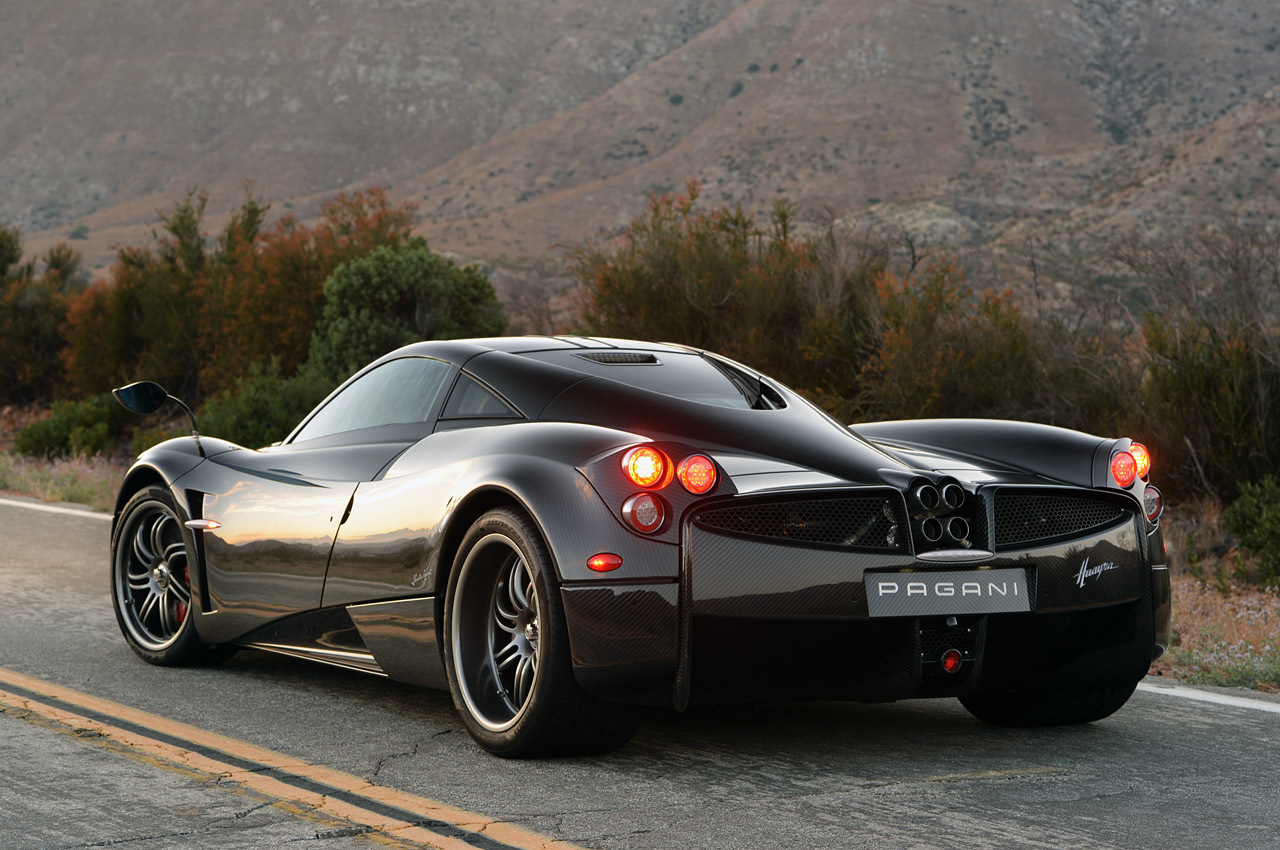
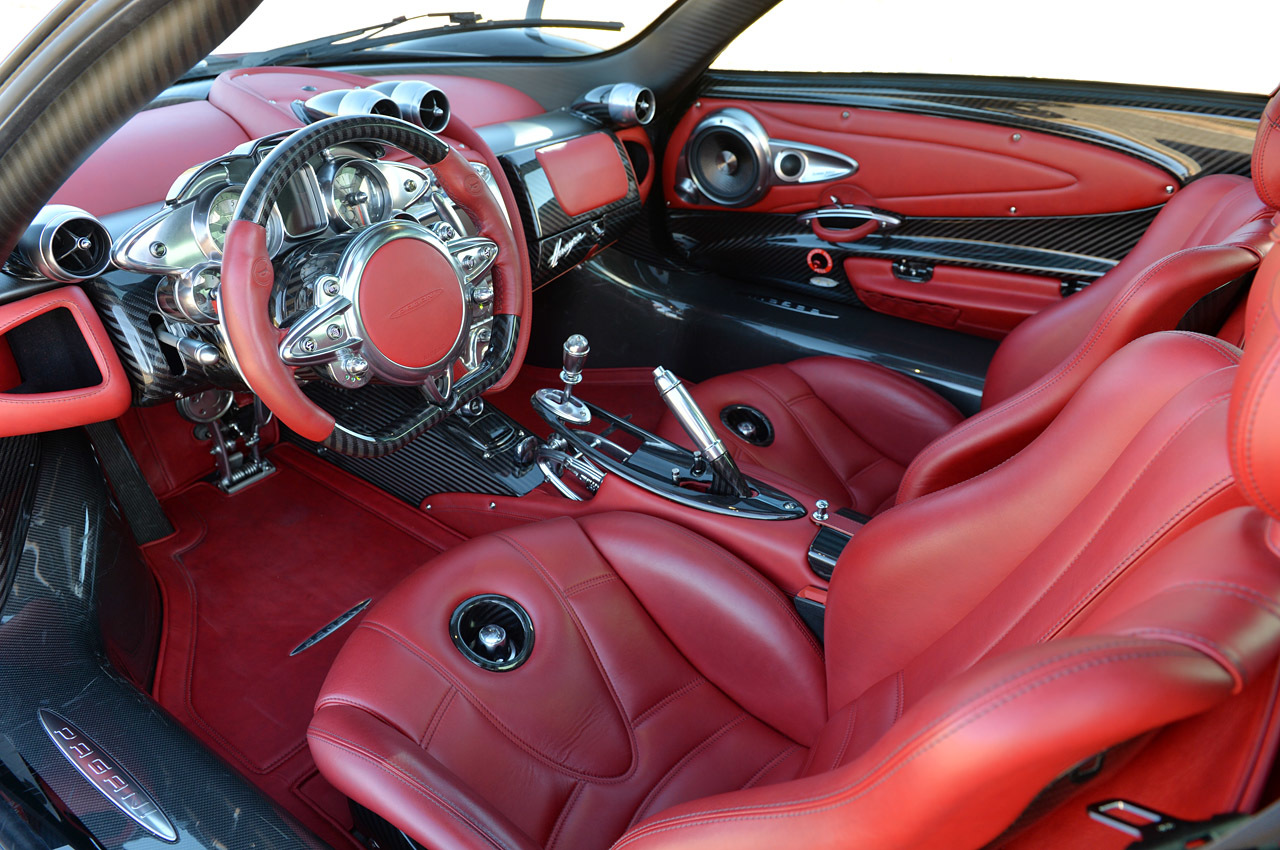
As I pilot the Pagani Huayra down a busy Los Angeles freeway, I can't help but grow increasingly concerned about my psychological state – I've got a sneaking suspicion that I'm going a bit mad. Seventeen minutes earlier, I had arrived at The Auto Gallery in Calabasas to meet the Pagani Huayra. The unpainted coupe – nothing but clear resin over meticulously layered carbon-fiber – stood parked in the driveway of the dealership, surrounded by a camera-wielding crowd of gawkers. Its front hood was tilted forward, its back deck propped rearward and both of its gullwing doors were raised high, like a suspect facing imminent arrest. Its physical appearance, even in such a vulnerable pose, was nothing short of spectacular. Well-read enthusiasts know the history of the Huayra, Horacio Pagani's followup to his giant-killing Zonda. Launched to the world at the Geneva Motor Show in 2011, its arrival aimed to raise the bar in every measurable automotive category. Its construction showmanship includes a lightweight chassis boasting a central monocoque made of titanium-infused carbon-fiber. Every one of its featherweight components, a hand-crafted assemblage of carbon-fiber, titanium, aluminum and other exotic alloys, is either bonded, riveted or bolted together with one of 1,400 titanium fasteners, each engraved with a Pagani logo. The attention to detail on view is astounding, and examining the craftsmanship inside and out is enough to leave one exhausted. I stare, I swoon and I swear. It doesn't take even casual bystanders long to realize that there are less impressive works on display at the Louvre. Climbing into the Huayra is an exercise, but not a chore. The carbon-fiber sill is wide, but both doors swing high and take a good slice of the roof with them, so headroom is unlimited. Unfortunately, closing the doors from a seated position takes a bit of a stretch, so grabbing the handle before settling into the bucket is most efficient. Unlike some V12-powered mid-engined supercars that compromise cabin space for those over six-feet tall (the Lamborghini Aventador comes immediately to mind), the Pagani is unexpectedly comfortable and roomy for my shoulders, torso and legs. The tinted panel overhead allows plenty of light to spill into the cabin, but it also raises concerns about excessive cabin heat – I had that very issue with a similar glass roof in the Bugatti Veyron. The cabin is flamboyant, for lack of a better word, with lots of bright eye candy and minute contrasting details that tickle your inner geek. You'll want to sit for about five minutes just to take it all in. The flat-bottom, carbon-fiber steering wheel is optimally placed, with meaty leather grips for the hands and thick, raised stitching that you can feel with your fingertips. There are no turn signal stalks, as that pedestrian task is assigned to individual aluminum buttons on the wheel's spokes. It's the same story for the headlights and wipers – both controlled by cone-shaped aluminum knobs on the steering wheel. The horn buttons are embedded in the leather rim of the wheel. Primary instrumentation includes a round tachometer and speedometer dial set on either side of a small, flat multi-function display. There are other smaller dials set below the primary gauges. Everything is brightly polished metal. Overall, the contrast on the gauges is rather lousy, especially during the day while wearing sunglasses (at night, the dash is illuminated with a rainbow's choice of colors). The secondary controls on the center stack, are all bright metalwork, too. Each is beautifully polished, delicately executed and pretty to look at, but the Pagani doesn't have much to brag about in terms of sensible ergonomics. |

|

| Copyright © 2026 • www.showcar.com.au • Showcar Pty. Ltd. • Contact info@showcar.com.au | sydney web design & development by Webski |