


|
News Source: topspeed.com
|
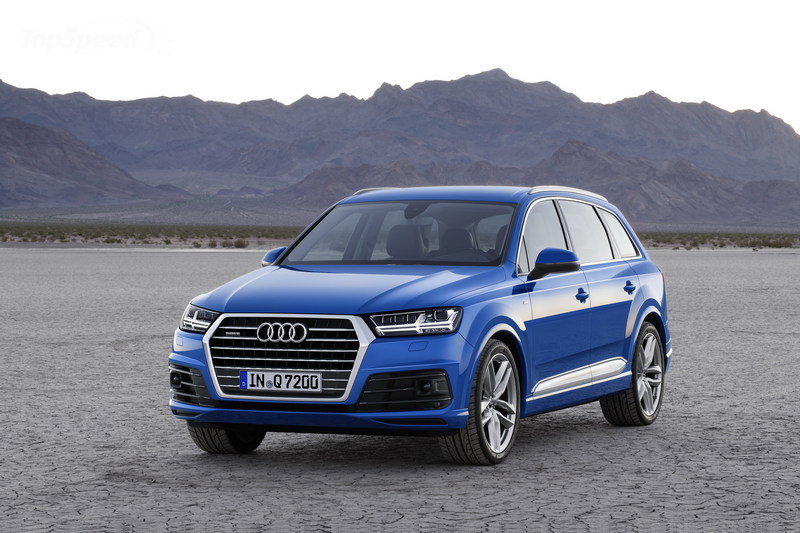
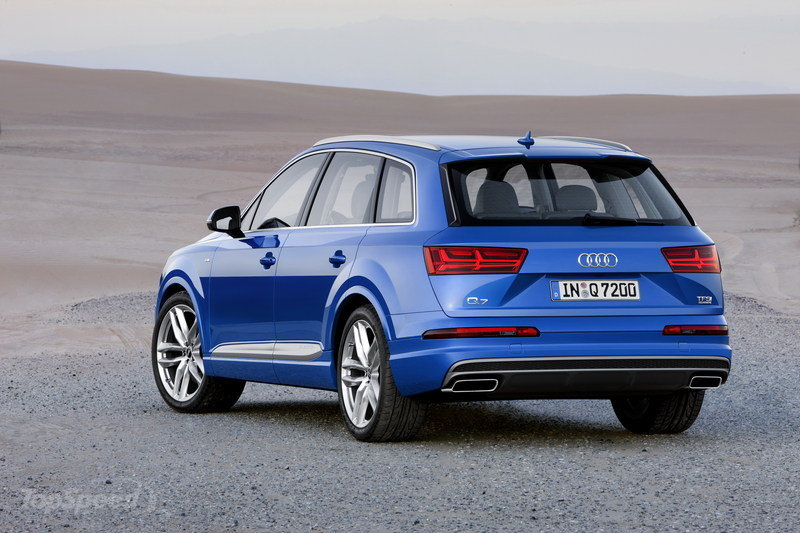
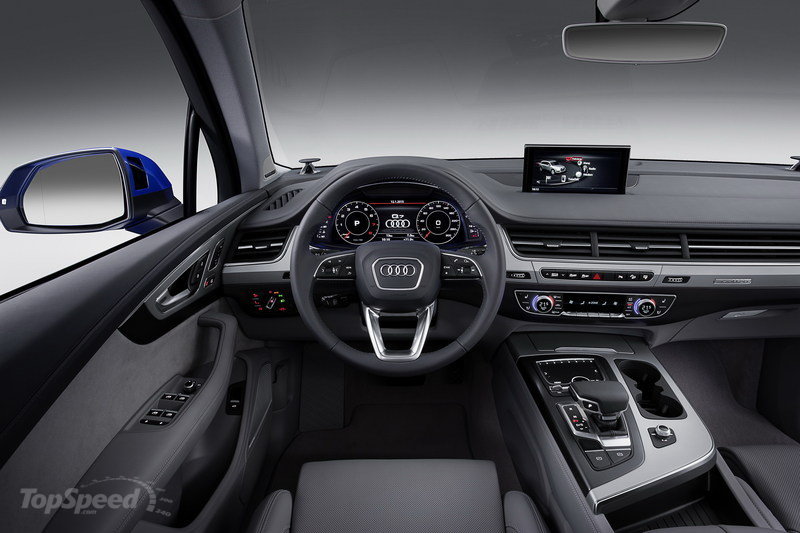
German carmaker Audi joined the ever-growing SUV market in late 2005, when it unveiled the Q7 full-size crossover SUV at the Frankfurt Motor Show. Audi launched the SUV in North America for the 2007 model year and since then it has received numerous updates and a host of gasoline and diesel powertrains, ranging from 3.0-liter V-6s to massive 6.0-liter V-12s. As we venture into the 2015 model year, years since the first-generation Q7 debuted, the Germans are introducing a redesigned version of the SUV. Boasting brand-new styling, a revamped cabin and updated powertrains, the 2016 Q7 also marks the debut of the nameplate’s first ever plug-in hybrid version. It took Audi about nine years to turn the concept it showcased in 2005 into a production model, but it seems the Germans finally did it. The Q7 e-tron is that much more important as it’s the first plug-in hybrid from Audi with a diesel engine. What’s more, it’s also the world’s first diesel hybrid in the premium SUV segment. Read on for the full details on Germany’s new luxury hauler. Updated 12/12/2014: Audi unveiled the official details on the new generation Q7 which will go on sale in the spring of 2015. The model will be about 716 pounds lighter and feature a completely new face. At the same time, the Q7 blends in with the rest of the Audi lineup, featuring headlamps, a singleframe grille and massive bumper intakes similar to those seen on many 2015 model year updates. Design-wise, the all-new Q7 proves that Audi can use more than just a few nips and tucks while redesigning a vehicle. The SUV’s body lines are now sharper, blending more squared-off surfaces front to rear. At the same time, the Q7 blends in with the rest of the Audi lineup, featuring headlamps, a singleframe grille and massive bumper intakes similar to those seen on many 2015 model year updates. On the other hand, the Q7’s huge grille connects to the headlights for a unique appearance. Changes are more subdued around back, where the new Q7 boasts a similar tailgate and a nearly identical bumper. Still, there are a lot of new features, including reshaped, narrower taillights and trapezoidal exhaust pipes. On the sides, the Q7’s trademark character line has been repositioned closer to the sills, while the waistline has been redesigned for a crisper look. If you find the all-new Q7 less bulky, then you eyes aren’t playing tricks on you. The rebuilt SUV is 1.5 inches shorter and 0.6 inches narrower, while its height remained virtually unchanged. More importantly, the new Q7 is a lot lighter, with certain trims weighing up to 716 pounds less when compared to the previous model. That’s a massive 26-percent drop from the first-gen Q7’s curb weight. Impressive! Most of the weight was dropped from the chassis, which is 220 pounds lighter, and the body structure, which weights 156 pounds less thanks to a new design. Customers get to choose between 11 exterior colors, four of which are new. An S line exterior package changes the standard bumpers, air inlets, side sills, roof spoiler the diffuser with sportier units, while the grille gets a dark gray, high-gloss finish instead of the standard high-gloss black. Gone is the bulky center stack with its ancient A/C vents, knobs and display, now replaced by a taller center console. Although the new Q7 is shorter and narrower, the cabin is actually longer and offers more head room and boasts an additional 0.8 inches between the first and second row of seats. Head room has increased by 1.6 inches up front and 0.9 inches in the second row. Cargo capacity has also increased. The seven-seat version offers 10.4 cubic feet of storage room that increases to 27.2 with the third-row seats folded. The five-seat comes with 31.4 cubic feet, which increases to 73.3 cubes with the second row folded flat. Design-wise, the redesigned interior is a massive departure compared to the first-generation’s cabin. Gone is the bulky center stack with its ancient A/C vents, knobs and display, now replaced by a taller center console. As a result, the A/C controls have been repositioned to the same level as the instrument cluster, while the display now resides on the dashboard. The latter also features a unitary design that stretches from the driver’s to the passenger’s side. A brand-new, three-spoke steering wheel replaces the previous unit, while the instrument cluster is all digital. Naturally, the new Q7’s cabin is packed with the finest materials we can expect from an automaker such as Audi. The seats can be wrapped in either Cricket or Valcona leather combined with Alcantara and there are seven different color combos to choose from. The high-grade leather is complemented by a host of aluminum and wood trims, including Beaufort walnut. There’s also a brand-new air conditioning system that uses fewer buttons and controls, with most options displayed on the TFT screen. The MMI system is also new, featuring intelligent suggestions for different tasks, including searching for specific song titles or navigation destinations. As far as entertainment goes, the Q7 comes with one or optionally two 10.1-inch tablets as rear seat monitors. The tablet is powered by NVIDIA Tegra 4 processors, is temperature-resistant and connected to the MMI navigation. What’s more, it provides access to the radio, media, navigation and several car functions via WiFi. |

|

| Copyright © 2026 • www.showcar.com.au • Showcar Pty. Ltd. • Contact info@showcar.com.au | sydney web design & development by Webski |