11:18PM - 25.03.'13
|
News Source: autoblog.com
|
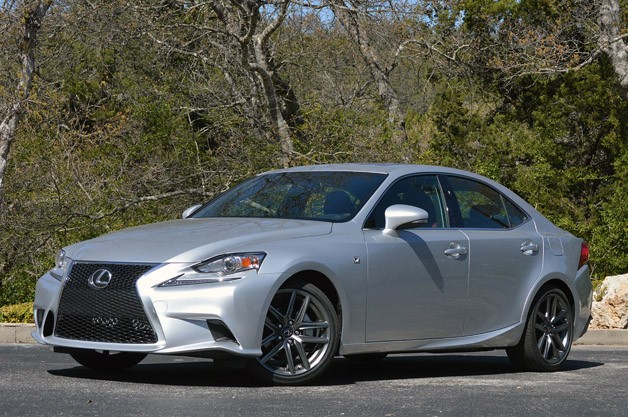
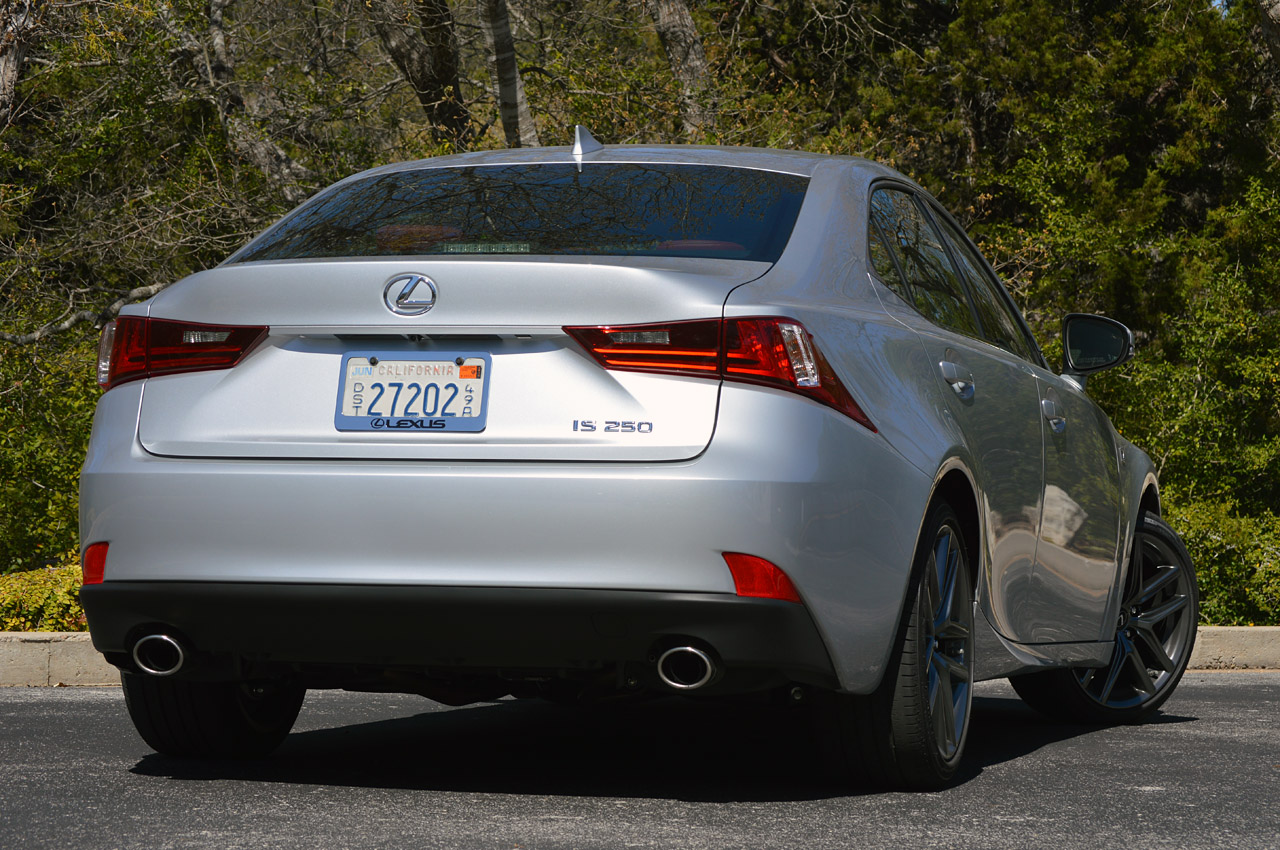
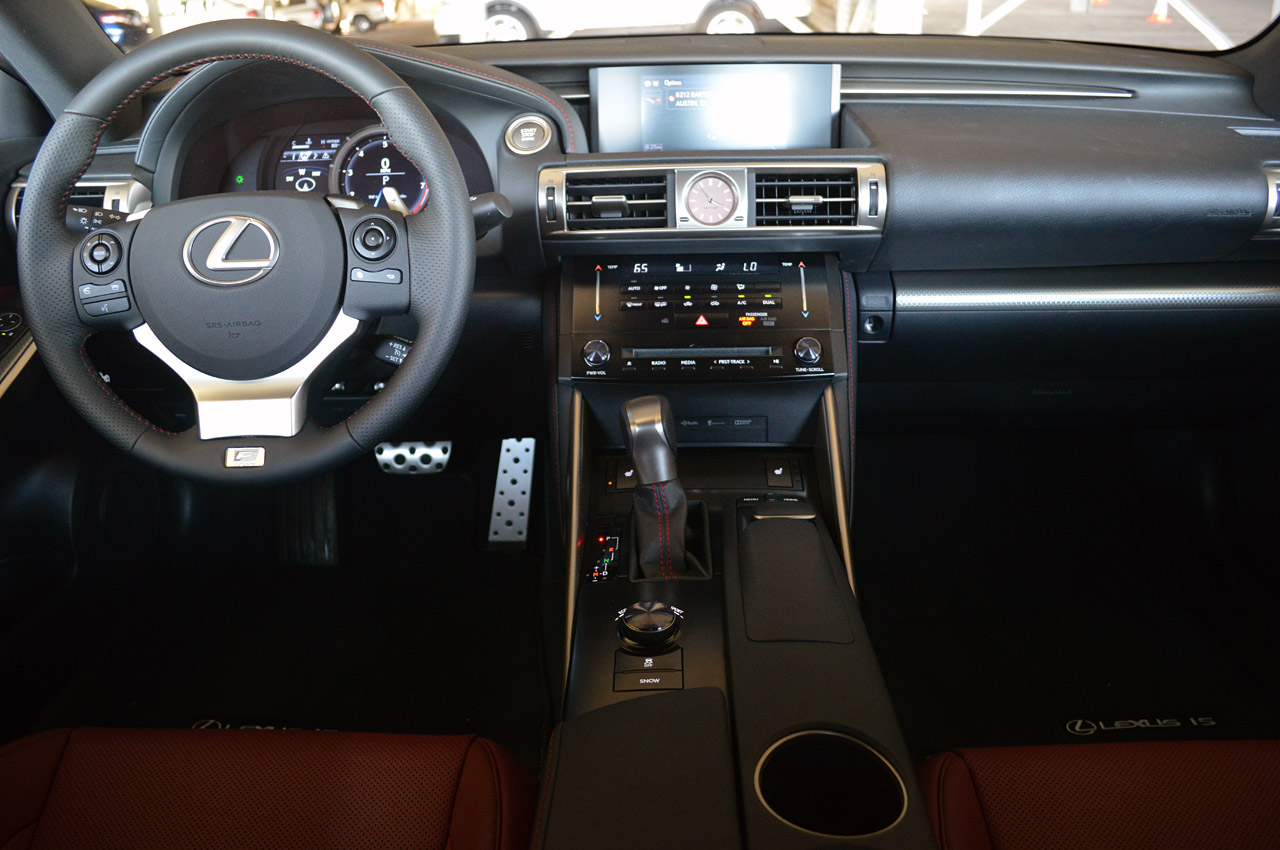
When the now-outgoing Lexus IS generation was launched back in 2006, the company would not have been wise to bring the compact luxury sedan to be driven by journalists to a track like Driveway Austin Motorsports. Taking along a BMW 335i for comparison loops would have proved an ill choice as well. Our own Jonathon Ramsey found the current-generation Lexus IS250 to be fairly nimble over a tightly wound autocross course, when he drove it back-to-back with the prototype version of this 2014 IS a few months ago. Our track for testing the fully realized version of the IS350 F-Sport meanwhile – again with the 2013 version along for competitive driving – was on a circuit designed to string together recreations of some of the best tracks in the world. Laguna Seca, bits of the Nürburgring and sections inspired by Imola and Ferrari's Fiorano test track all make for a far more enticing road course than you'd expect to find plunked down in a nondescript area a few miles east of downtown Austin. Critically, this environment highlighted what strides Lexus has made in the sport sedan race with its new IS. As a general statement, the new IS350 acquitted itself well when driven with pace on the aggressive track. The performance, and much higher level of driver satisfaction when compared with the old car, is down to a few significant revisions: a new eight-speed transmission, a stiffer body structure and a greatly revised power steering system. At Driveway, it was that retuned steering that made the biggest initial impact on us. We took four back-to-back laps, switching from old to new IS, and found that the new car has an unmistakably better, more talkative and more direct tiller. Though overall road feel through the wheel was still pretty low in the grand scheme of road cars, the 2014 IS350 gave us some sense of where the edge of grip was, especially when carrying speed through several high-speed esses. The older Lexus, meanwhile, felt utterly vague by comparison and proved much more difficult to plot an aggressive line with as a result. The more rigid body (combined with a less skittish rear suspension setup) also allowed for less strain during hard corners. There was also a much higher degree of stability under heavy braking in the new car versus the old, most notable when we shed speed quickly at the end of the long front straight. |