10:05PM - 05.05.'16
|
News Source: autoblog.com
|
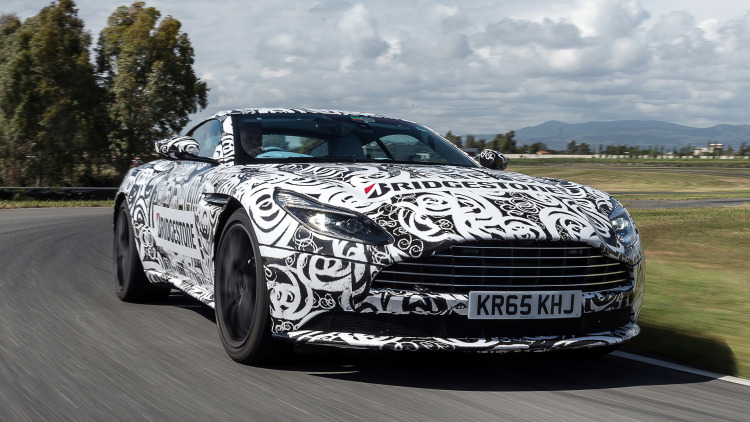
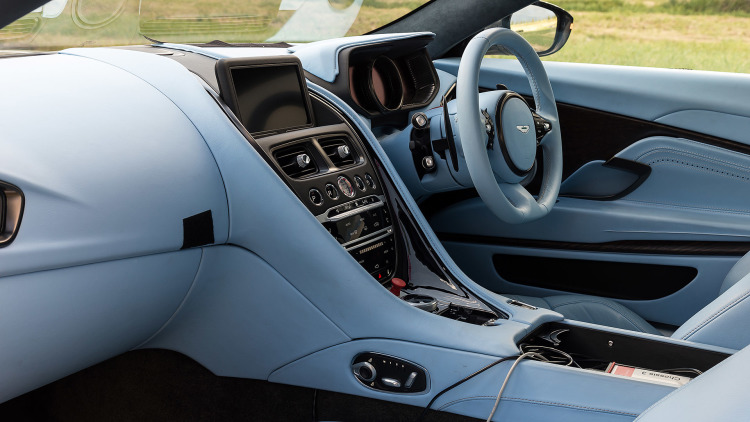
Flashback: Geneva. The 2017 Aston Martin DB11 debuts, its artfully sculpted body signaling a departure from the brand's luscious yet familiar design language. But this time, the car in question is more than just a pretty face. Beneath the gently arced bonnet is the first turbocharged engine in the Aston's 103 year-old history. Gone is the so-called Vertical Horizontal architecture, replaced with a bonded aluminum chassis that's so new that it has yet to be graced with a catchy marketing name. Sumptuous interior? Check. Slick multimedia system? Finally. The quickest, fastest, and most powerful DB to date? Hell yes. With radical changes coming in hot from Gaydon, the DB11 isn't just an all-new car; it's nothing short of golden opportunity to reinvent the brand. There's so much new stuff in this DB9 replacement that the double integer leap in nomenclature seems justified (the DB10 was already taken by a certain spy from Blighty). In the grand scope of the Aston Martin lineup, the DB11 inherits the DB9's role as the archetypal grand touring car—elegant but quick, thirsty for miles. But as our wheel time revealed, it takes some time to comprehend the depth of the DB11 story. When you settle into the $211,995 Aston Martin DB11 there's a lot to take in, especially since our tester is a "verification prototype" that's two stages away from final production. Hence, the data logging equipment and big red fire suppression button. The engine has shrunk from 6.0-liters to 5.2, but now churns out 600 horsepower and a whopping 516 lb-ft of torque at only 1,500 rpm thanks to those turbos. Aston claims 0 to 62 mph in 3.9 seconds and a top speed of 200 mph. The rear double wishbone suspension has been replaced with a multilink setup for greater compliance, and the DB11 also gets Aston's first-ever torque vectoring (via brakes) and electronic power steering system. The prototype car is a visual paradox, with its camouflaged exterior contrasting with the delightfully gaudy baby blue leather interior (made from extra trimmings of hide). In terms of development, the car is about "85 percent there" according to Aston brass. Disclaimer: this car's traction control system is only about 70 percent complete, and the torque-vectoring feature isn't active on this particular car. The big V12 fires up with a full-sounding rush of exhaust, though the tone isn't quite as naughty or shrill as the old naturally aspirated mill. But luxury fiends may actually delight in the reduced decibels, not to mention the fact that the production car will have a "quiet start" feature that produces even shhhhhh-ier startups. The turbocharged powerplant was influenced by the pressure to conform to fuel economy and emissions requirements. But the upside is greater energy density and a fatter torque curve. How's the sound? Well, that topic is a bit more subjective. If you like your engine raucous, you'll most certainly miss aspects of the old motor. Though the turbo V12 is a tad hushed (it doesn't use any artificial enhancements to boost the cabin experience), the jury's is still out: the final exhaust tune might sound slightly different than the prototype. |