05:21AM - 16.05.'13
|
News Source: autoblog.com
|
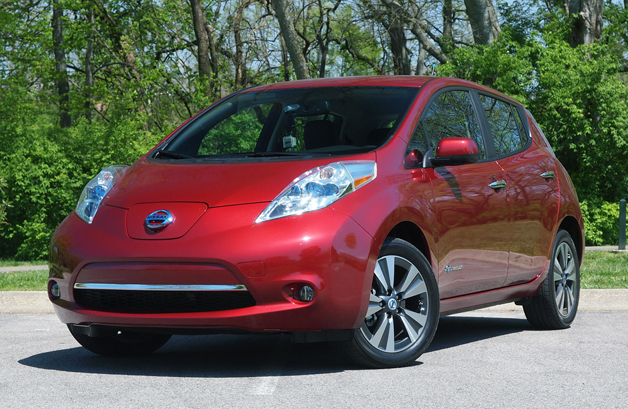
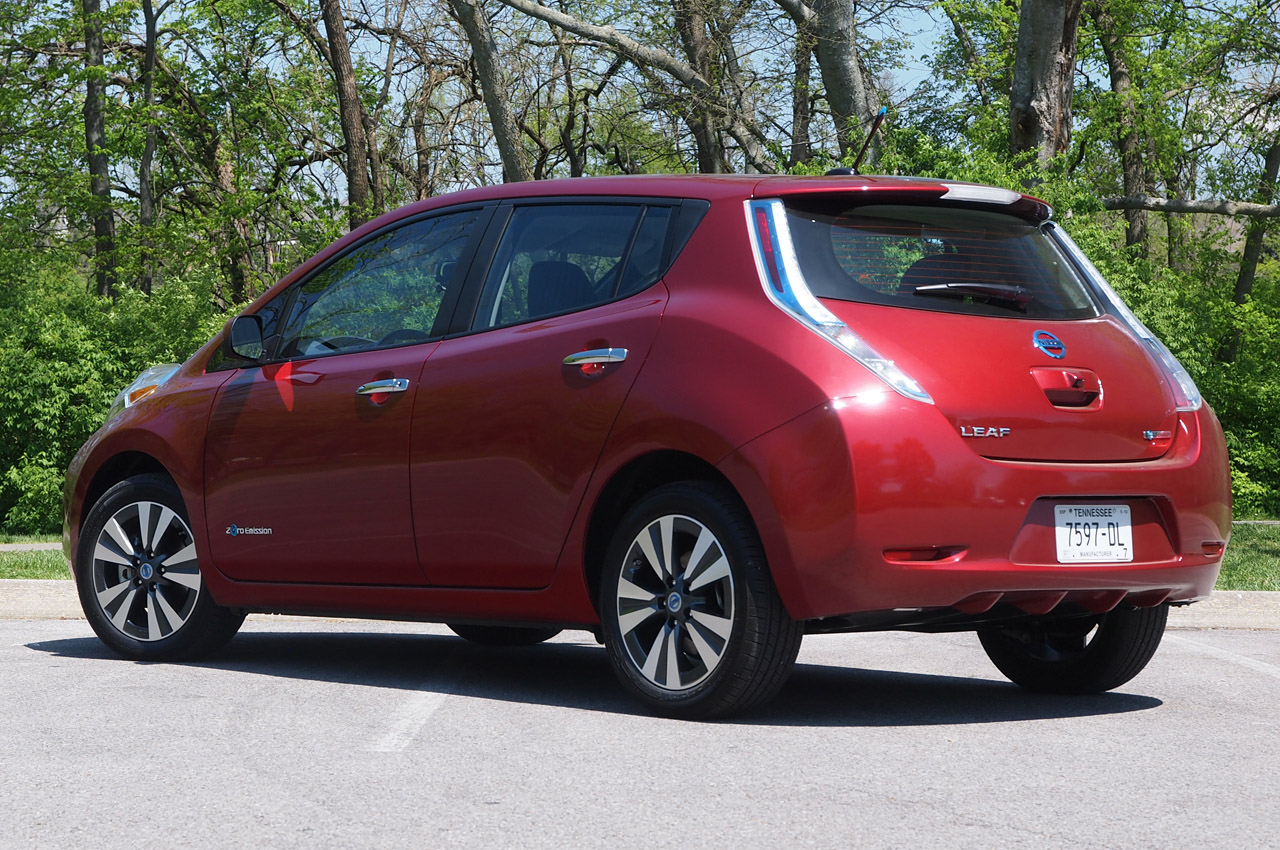
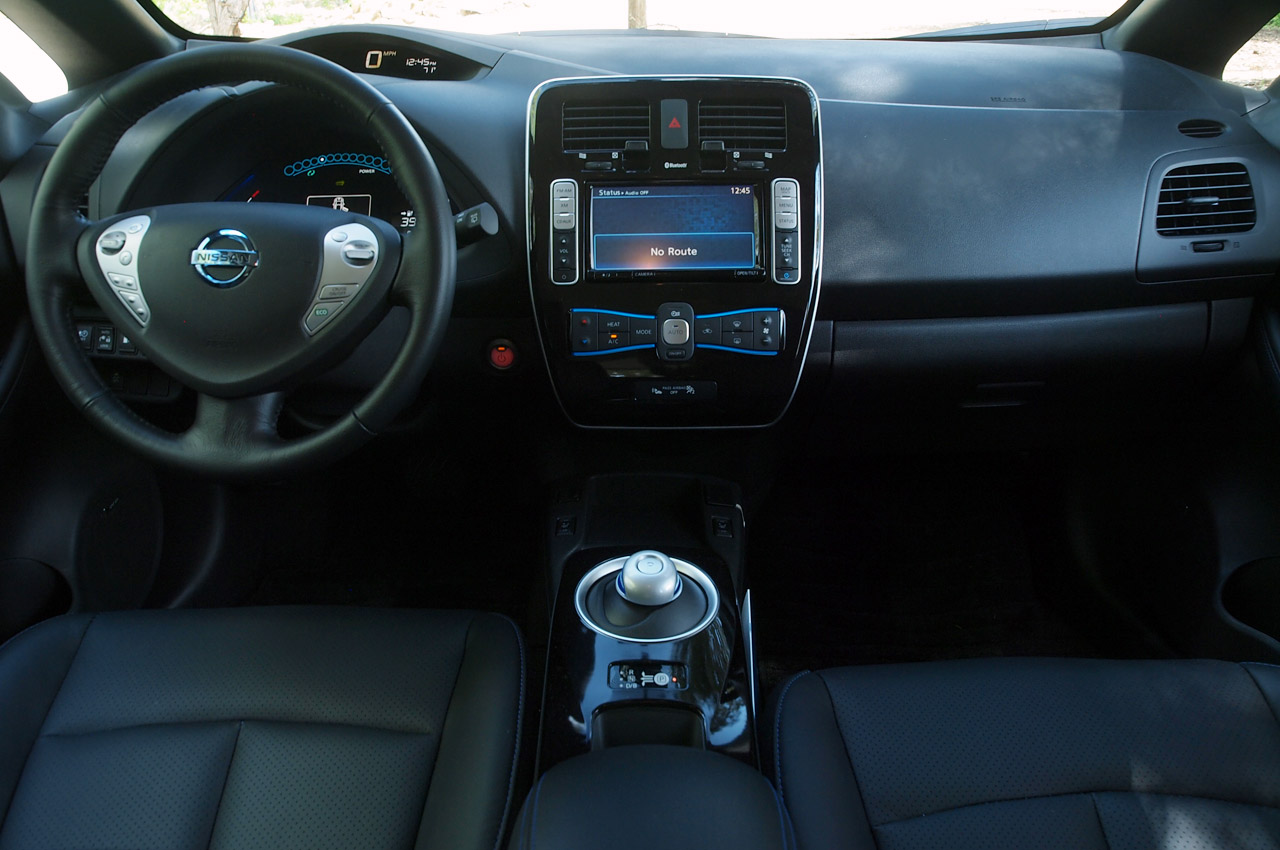
Look at the 2013 Nissan Leaf – even one parked next to a 2012 model – and you'll be hard-pressed to spot the differences. Changes and updates have been made, but you have to know the details to tell. It's sort of like listening to a hipster tell you why Interpol and The National have completely different sounds. Nissan says it didn't reinvent the Leaf because what the company has created is working. Over 25,000 Leafs have been sold in the US – 62,000 around the world – since the car went on sale in late 2010. That may not sound like a lot, but it's heads and shoulders above any other all-electric car available anywhere. The car has its detractors – boy, does it ever – but Nissan knows it's hard to argue with real-world success. We recently spent a few hours driving the new Leaf – an SL-trim version, optioned out to $36,910 – around the hills of central Tennessee after a visit to Nissan's new 475,000 square-foot battery plant. What we learned there provided a lot of hints about the company's electric future. Nissan may be leading today, but company head Carlos Ghosn has made huge, multi-billion-dollar bets on zero-emission technology and the rest of the world has been very slow to prove him right. As we said, there are some changes to the 2013 Leaf. Length, width, height and wheelbase measurements all remain the same from the 2012 model, but the car has lost weight. The SL went from 3,401 pounds to 3,340 lbs and the SV dropped from 3,385 to 3,340 lbs. The entry-level S trim, new this year, is the lightest, at 3,291 lbs. One of the easiest ways to spot a 2013 Leaf is to see one of the two new exterior colors, Metallic Slate or Glacier White. But most of the changes are small ones, like a little light in the charge port or the fact that you can now release the charge port door with the key fob. Also, a new auto lock feature secures the charging connector in place. There are new 17-inch alloy wheels available and the car's updated hybrid heating system is about 33 percent more efficient. The onboard charger has been moved from the rear cargo area to the front, which increases interior cargo space from 24 cubic feet to 30 with the seats down. The new 6.6-kW onboard charger, standard on SV and SL and available on the S, cuts charge time in half, down to four hours from empty to 80-percent full. From the driver's seat, you see some differences, too. A redesigned leather-wrapped steering wheel, sun visor extensions and a new rear headrest design that has been changed for better visibility, for example. The navigation system includes a new Eco Route feature that will try to get you where you want to go using the fewest electrons. Most importantly, the dashboard lists a new percent of charge value for the battery – much more useful than the simple bars in previous versions. The first word that comes to mind when you step on the accelerator is not a good one: neutered. It's been a while since we've been behind the wheel of a Leaf, but it was immediately clear that Nissan has made some compromises here. The biggest drivetrain change is that the new motor has had its torque output reduced, from 207 to 187 pound-feet, thanks to revamped software code. This gives the overall system more efficiency and more range, 75 official miles from the 24-kWh pack, but the horsepower remains the same, at 107. It also makes the car feel a bit sluggish. In practice, the Leaf, which can still initially leap ahead of most gas-powered cars at stoplights and remains as easy as ever to get to 35-40 miles per hour, feels neutered in a way the car didn't before. There's just something missing. Perhaps it's the new motor. Perhaps it's just that we're getting more and more used to the way EVs drive that it takes more to impress us now. Whatever it is, we were not the only journalists to notice it, and Nissan doesn't provide 0-60 figures for us to compare just how different the new Leaf is to its older cousins. But if you really want to feel the car drag, engage the new "B" mode, which increases regenerative braking pressure, or "eco," which maximizes efficiency. For driving fun, we recommend neither. |